Slow Looking, Deep Making > Creating Space workshop
0% Completed
Entering the Space
Slow looking, deep making
Amanda Alderson > Gentle Signals
Amanda’s work shows how attention becomes a tool for survival - mapping the subtle signals that guide when to move, when to rest, and when it is safe to engage with the world.
Annamaria Weldon > Below the Surface
Annamaria’s work shows how making can continue under changing conditions, where time, variation, and imperfection become part of the work itself, not something to overcome.
Catherine Higham > Waulking Road
Catherine's work shows that importance lies not only in what is made, but in how it is made. Repetition, slowness, and attention become forms of care. They offer ways of staying connected, to place, to memory, to others, and to ourselves.
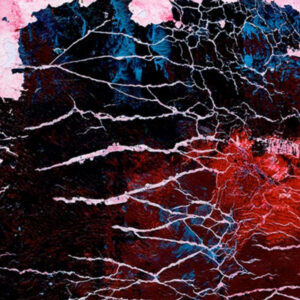
Brad Coleman > Daily Practice
Brad’s work shows how daily, immediate making can become a form of meditation, where repetition builds momentum, and each mark holds a moment of attention.
Nadeen Brown > Interwoven
Nadeen’s work shows how making can create space for experiences too complex for straightforward telling, where fragments, layers, and quiet acts of assembly become forms of self-witnessing.
Shayne O’Donnell > Adaptation
Shayne’s work shows how adapting materials, expectations, and ways of working can open unexpected possibilities, where experimentation and acceptance become part of the creative process.
Lucinda Crimson > Curating Space
Lucinda’s work shows how creativity can adapt to changing energy and capacity, where pacing, scale, and limitation become part of the practice itself, rather than barriers to making.
Claire B. Bushby > Embracing Slowness
Claire’s work shows how creativity can foster connection and collective care, where slowness, collaboration, and shared knowledge become part of the creative process.
Continuing the Practice
There is no finish line
Process
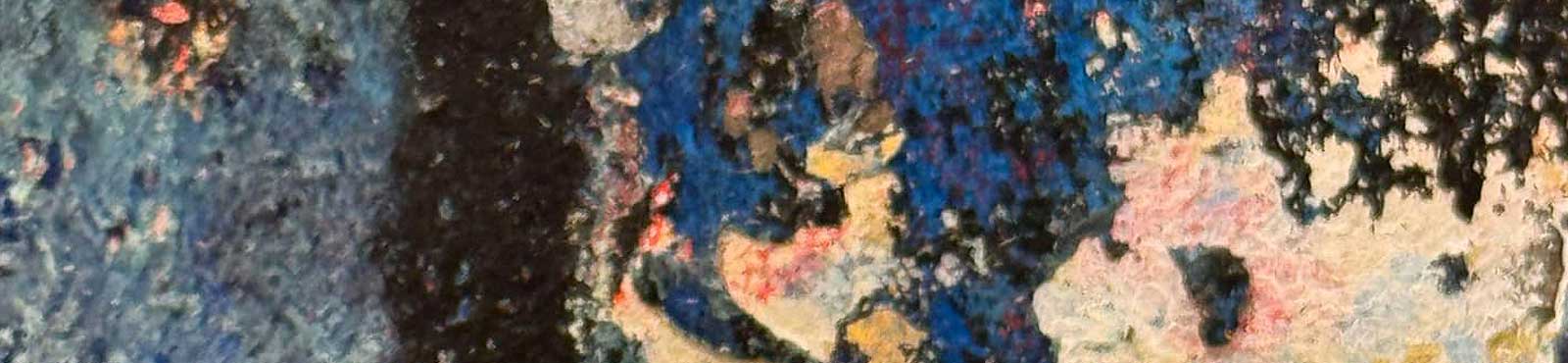
Brad’s process is based on daily monoprinting, it’s fast, repetitive, and responsive. Each print is created in a short burst, capturing a moment of attention.
His process is adapted through routine. By committing to daily making, he removes the pressure to produce a “perfect” work. Short sessions make the practice sustainable, even within the demands of daily life.
The materials are direct and responsive > ink, surface, pressure. Each print is simple in action but varied in outcome.
He works this way because it creates space for stillness within movement. The repetition becomes meditative, while the immediacy keeps the process active.
Experimentation happens through speed, allowing unpredictability to shape each result.
View Brad’s work online >